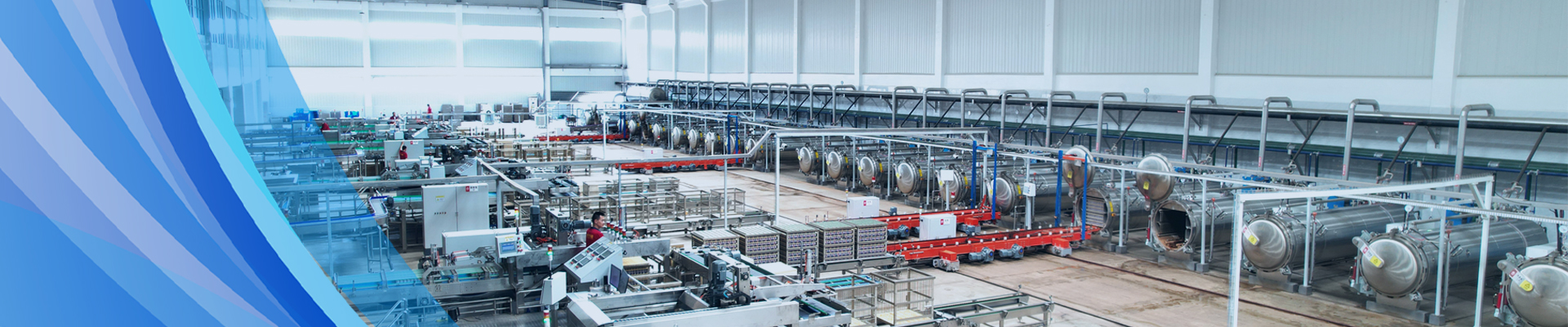

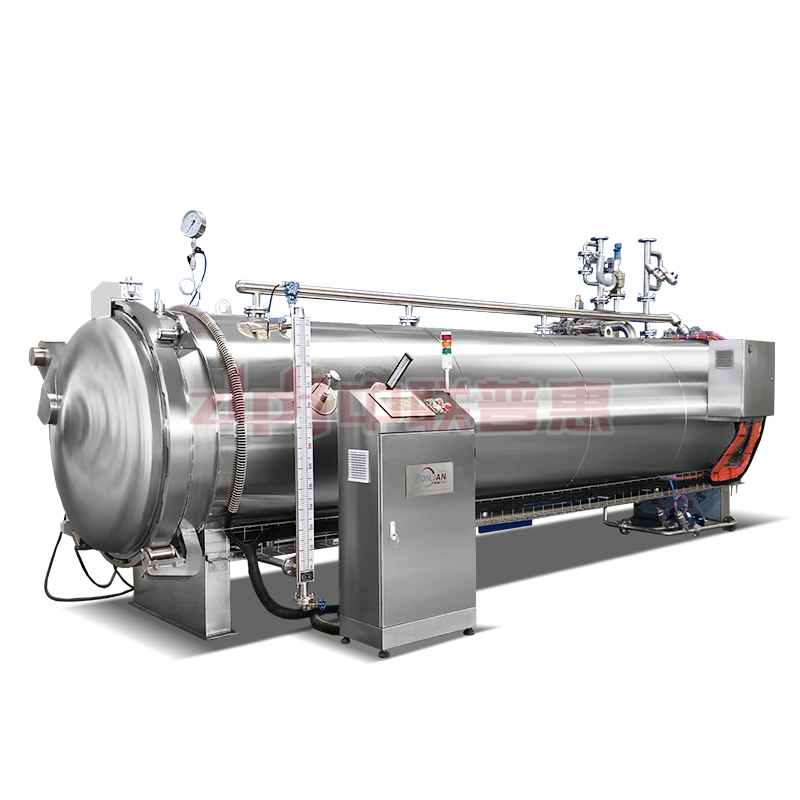
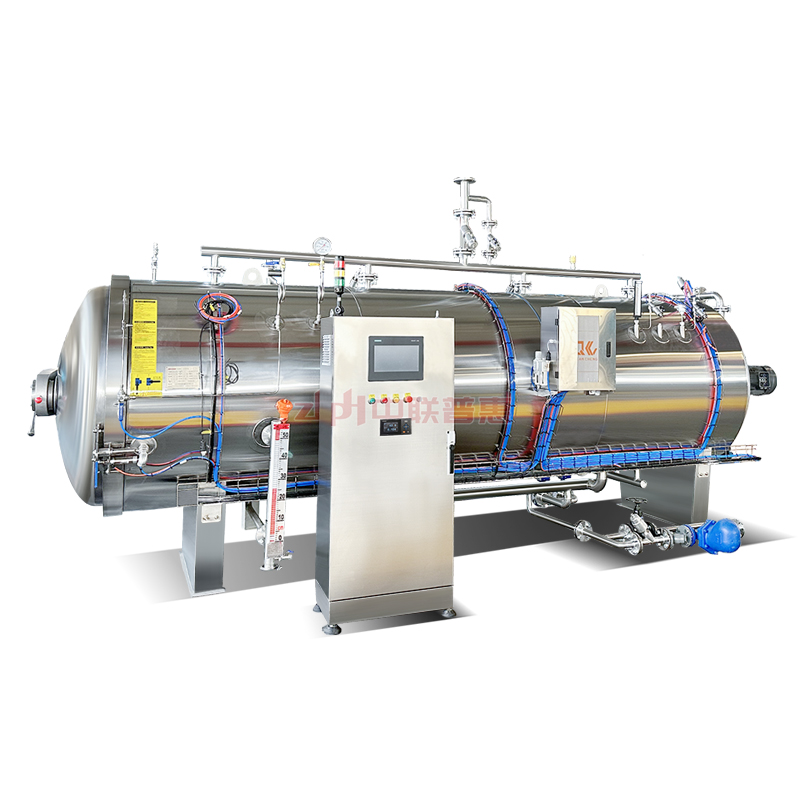
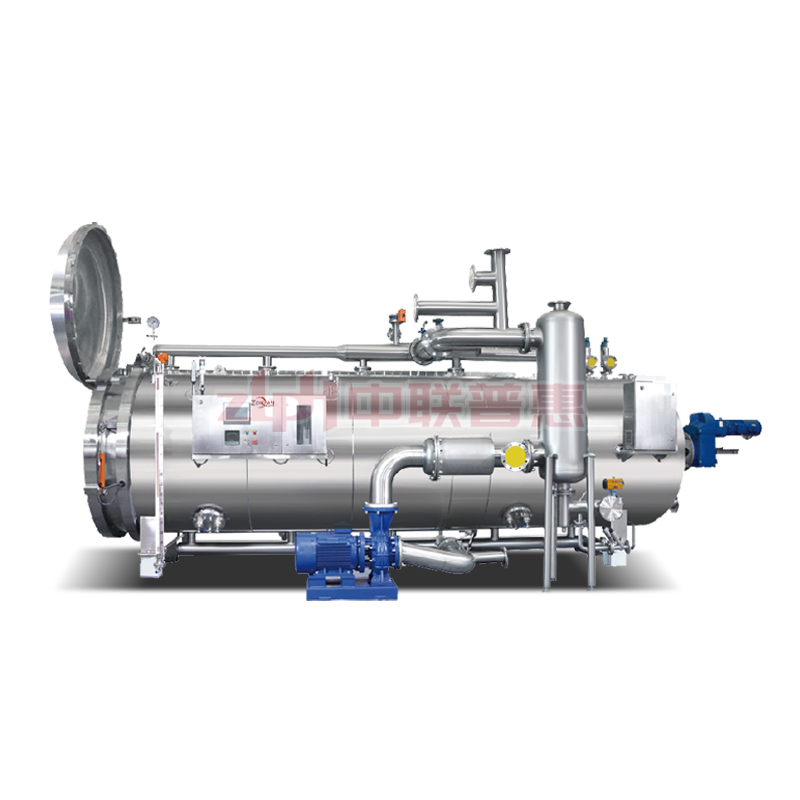
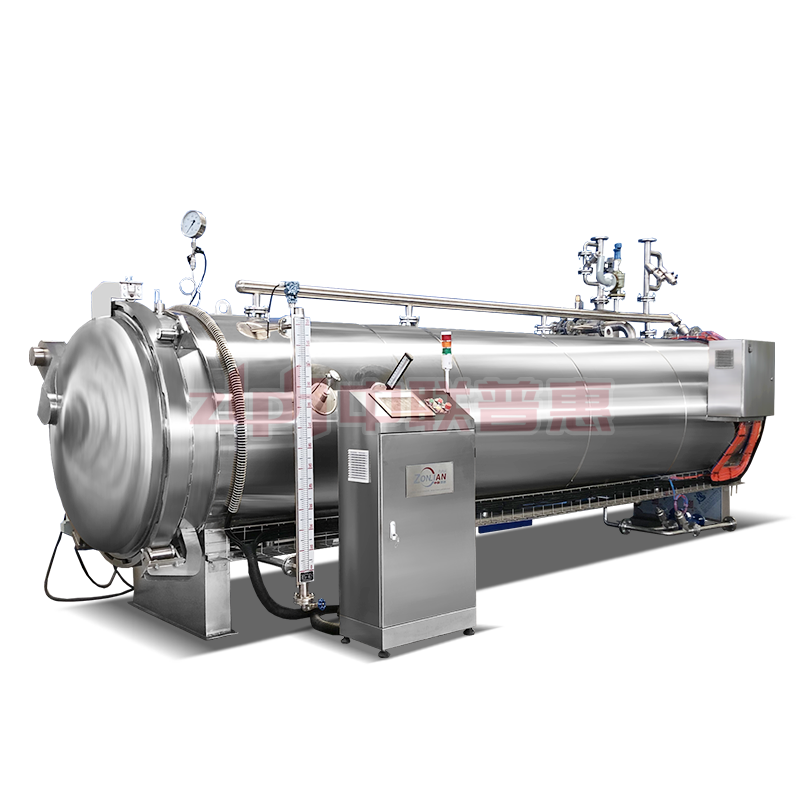
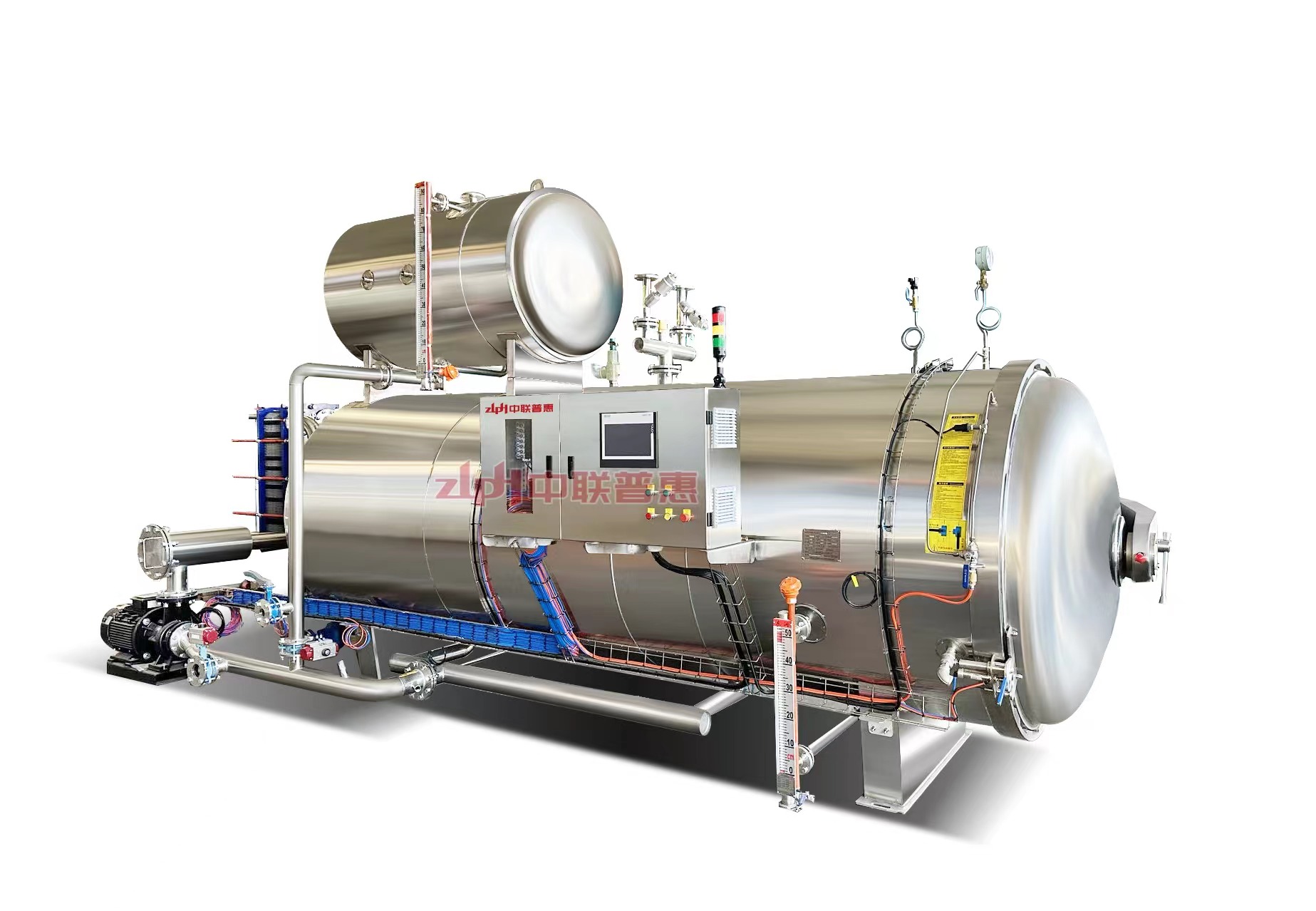
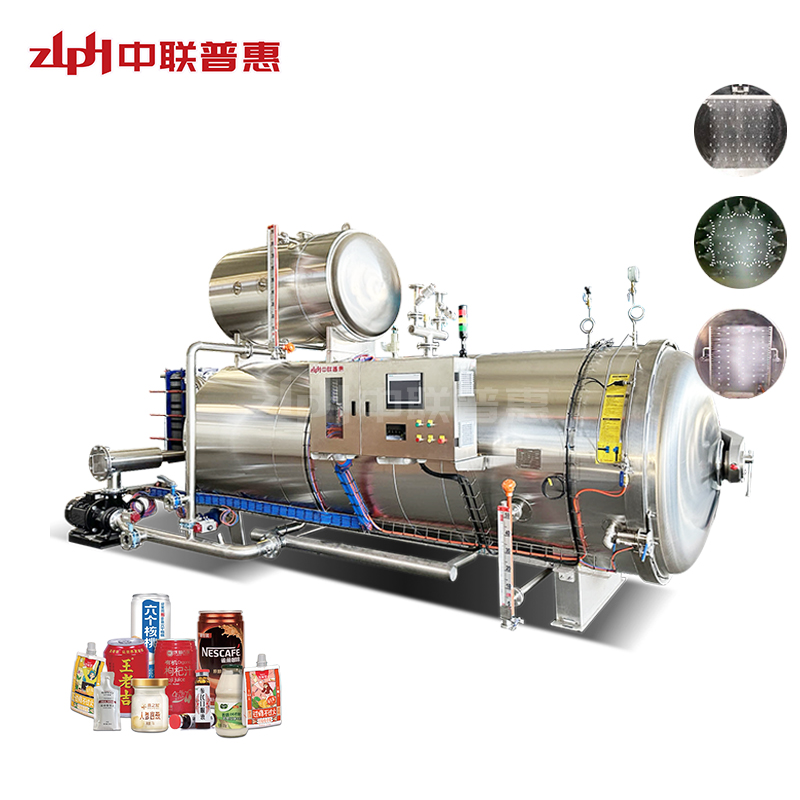
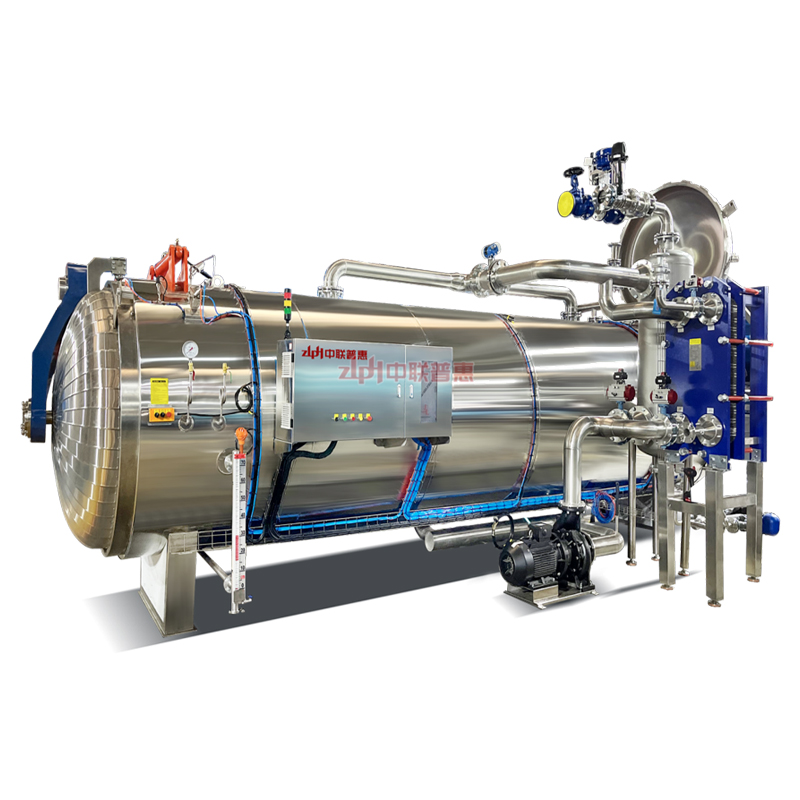
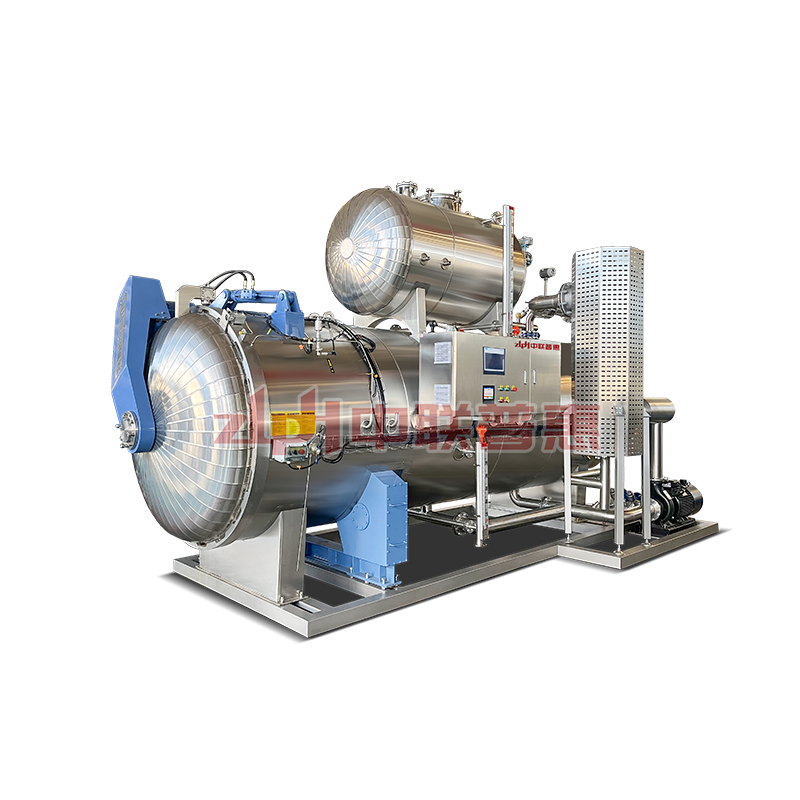
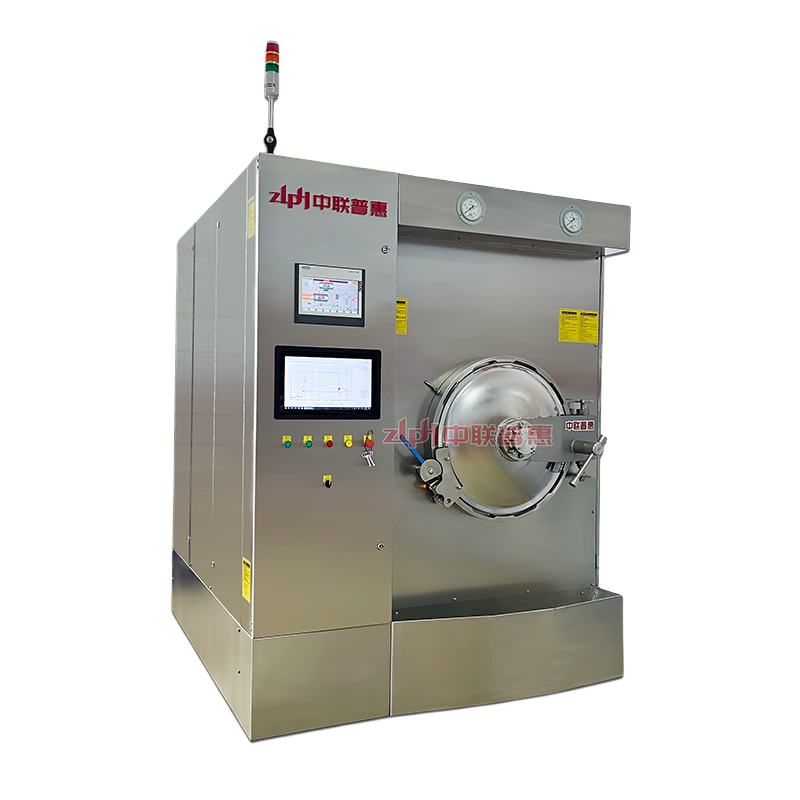
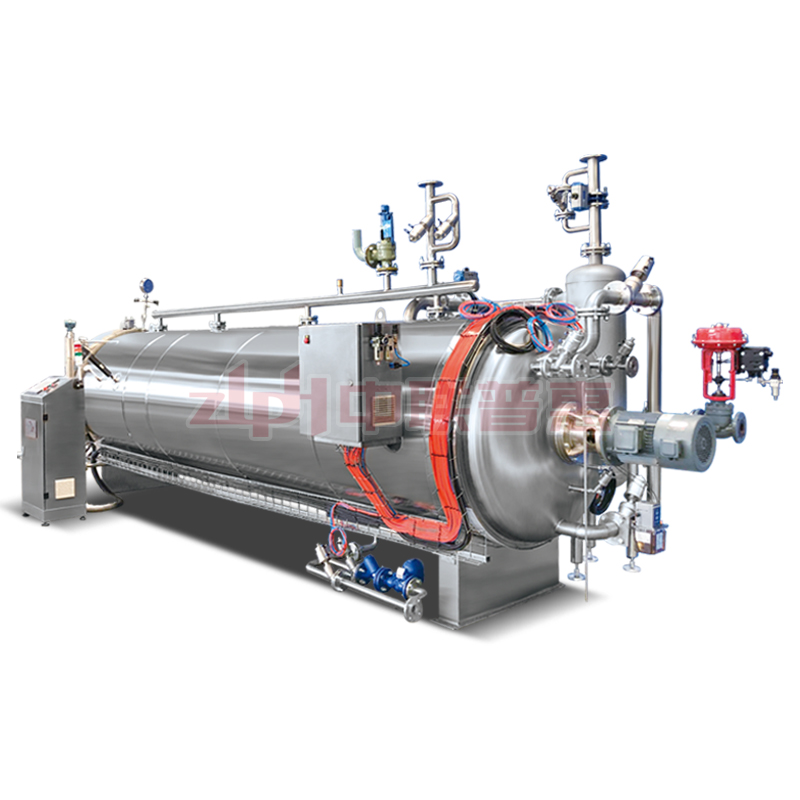
European food manufacturing plants face distinct challenges in 2026: reconciling FDA compliance for shipments to North America with EU regulations for domestic and regional markets, while also adapting to the shift toward sustainable packaging solutions. The retort autoclave is crafted to tackle these challenges directly, boasting features that ensure compliance, adaptability, and environmental responsibility. For instance, the food retort component of the system is compatible with recyclable mono-material packaging—aligned with the EU’s Packaging and Packaging Waste Directive, which enforces a 65% mechanical recycling rate by 2028. This compatibility enables European factories to adopt eco-friendly packaging options without sacrificing retort sterilisation quality, a key benefit for brands targeting consumers who prioritize sustainability.
What sets the 2026 autoclave retort sterilizer apart is its dual compliance with FDA and EU standards—a vital feature for European food factories exporting to the U.S. and other global markets. The Retort Machine comes equipped with built-in IQ, OQ, and PQ qualification procedures, ensuring that every retort sterilisation cycle meets the documentation requirements of both regulatory authorities. This eliminates the necessity for separate equipment for domestic and export production, cutting costs and streamlining operational workflows. The retort autoclave also offers real-time temperature and pressure mapping, maintaining heat consistency within ±0.2°C to eliminate cold spots—a common problem that can result in compliance violations and product recalls. This level of precision ensures the complete elimination of pathogens such as Clostridium botulinum, meeting both FDA and EU microbial safety standards.
Adaptability is another key advantage of the 2026 autoclave retort sterilizer for European food factories, which frequently process a diverse array of products—from low-acid meats and seafood to acidic fruit juices and ready-to-eat meals. The food retort system accommodates various packaging types, including rigid cans, glass jars, flexible retort pouches, and recyclable paperboard trays, with customizable racking systems that adjust to different sizes. This flexibility allows factories to switch between product lines rapidly, minimizing downtime and boosting productivity. For example, a German meat processor can utilize the same retort autoclave to sterilize canned sausages and retort-pouched ready meals, while a French artisanal producer can handle small-batch canned fruits and vegetables without the need for specialized equipment.
Energy efficiency and sustainability are top priorities for European food factories in 2026, driven by EU carbon reduction objectives and rising energy expenses. The 2026 Retort Machine incorporates heat recovery technology that captures and reuses thermal energy during retort sterilisation cycles, cutting energy consumption by up to 40% compared to older models. This not only reduces operational costs but also helps factories meet EU sustainability targets. Furthermore, the autoclave retort sterilizer employs water recycling systems to minimize water waste—a crucial feature in regions like the Mediterranean, where water scarcity is an growing concern. These eco-friendly design elements make the food retort system an ideal choice for European factories seeking to reduce their environmental impact while maintaining compliance.
Technical support and compliance consulting are essential components of the 2026 autoclave retort sterilizer solution for European food factories. Leading B2B providers offer on-site installation, operator training, and ongoing maintenance to ensure the retort autoclave operates at optimal performance. They also provide guidance on navigating updates to FDA and EU regulations, including the latest EU GMP Annex 1 requirements for contamination control. This support is particularly beneficial for small and medium-sized European factories, which may lack in-house regulatory expertise. For example, a Spanish seafood processor can depend on provider support to validate their retort sterilisation processes, ensuring compliance with FDA export standards and avoiding costly import restrictions.
Real-world performance data showcases the value of the 2026 autoclave retort sterilizer for European food factories. A large Italian pasta sauce manufacturer upgraded to the system, reducing batch rejection rates by 92% and ensuring consistent compliance with both FDA and EU standards. TheRetort Machine’s automated cycle programming and real-time data logging simplified audit preparation, saving the factory 30 hours per month on documentation. Similarly, a Dutch dairy processor used the food retort to sterilize condensed milk, achieving uniform heat distribution and lowering energy costs by 35%. These case studies illustrate how the retort autoclave delivers tangible benefits for European food factories, combining compliance, efficiency, and sustainability.
In conclusion, the 2026 autoclave retort sterilizer is a customized solution for European food factories, designed to meet FDA and EU compliance requirements while supporting efficiency and sustainability. This Retort Machine integrates advanced retort sterilisation technology, versatile food retort capabilities, and eco-friendly design features to address the unique challenges of European food production. The retort autoclave’s dual compliance, flexibility, and energy efficiency make it an indispensable tool for B2B food producers aiming to compete in both domestic and global markets. For European food factories in 2026, investing in an FDA-compliantautoclave retort sterilizer is more than just a compliance measure—it’s a strategic move to enhance productivity, reduce costs, and maintain a competitive advantage in the global food industry.
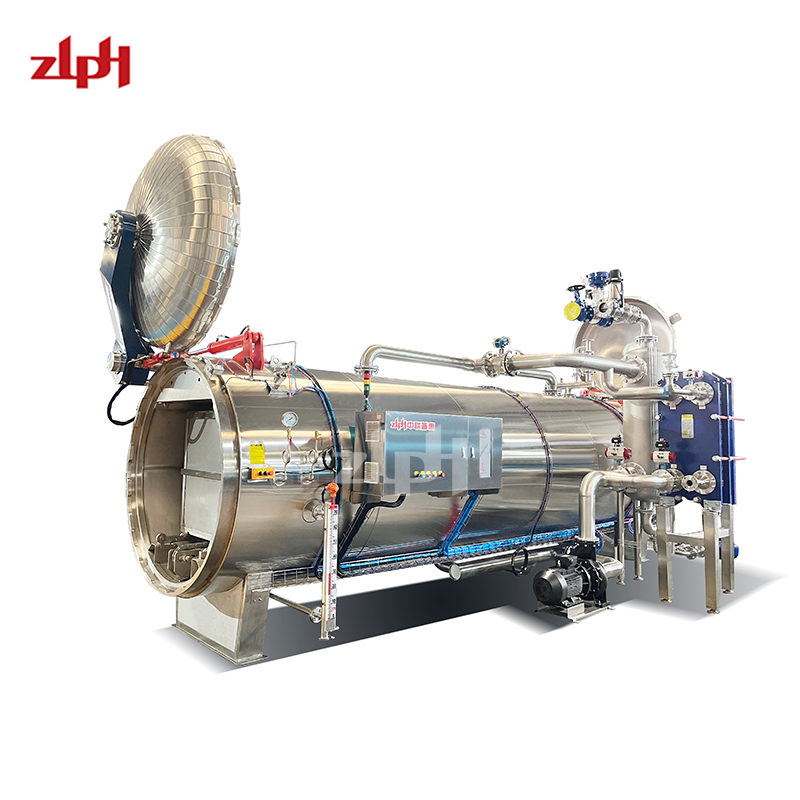
retort sterilisation
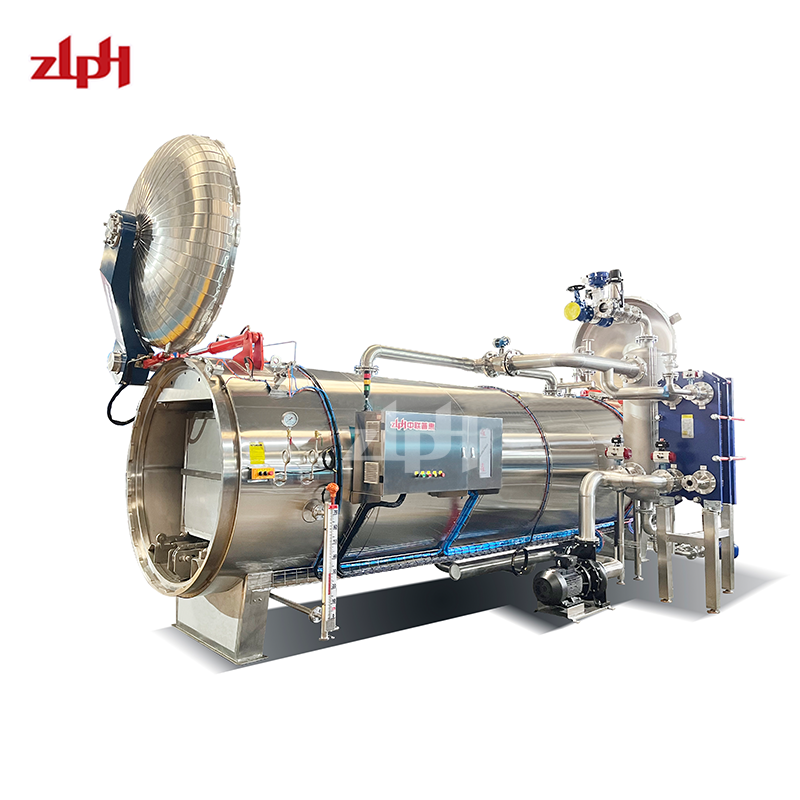
retort autoclave
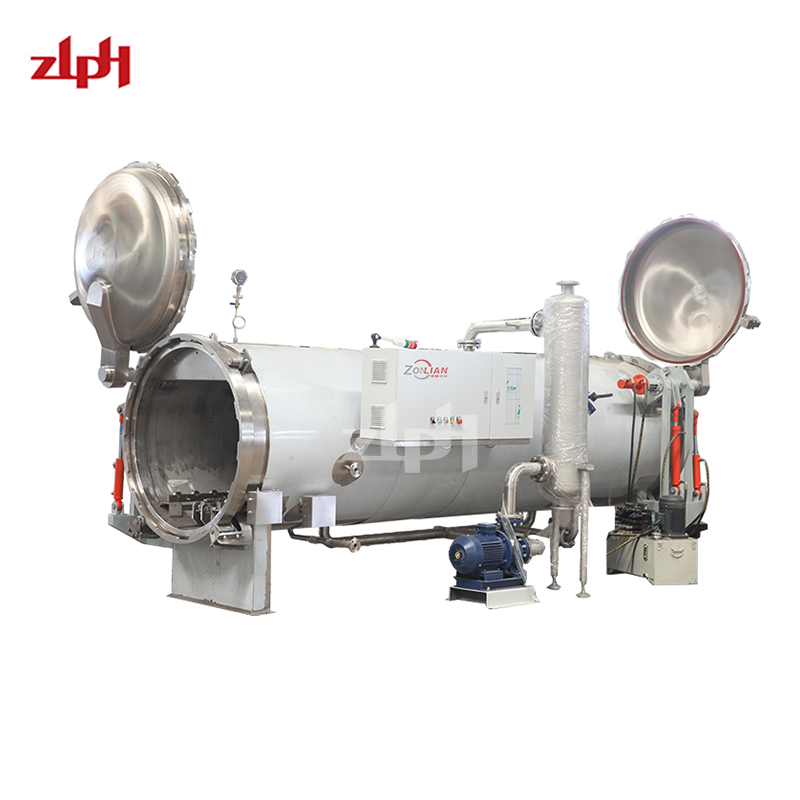
food retort
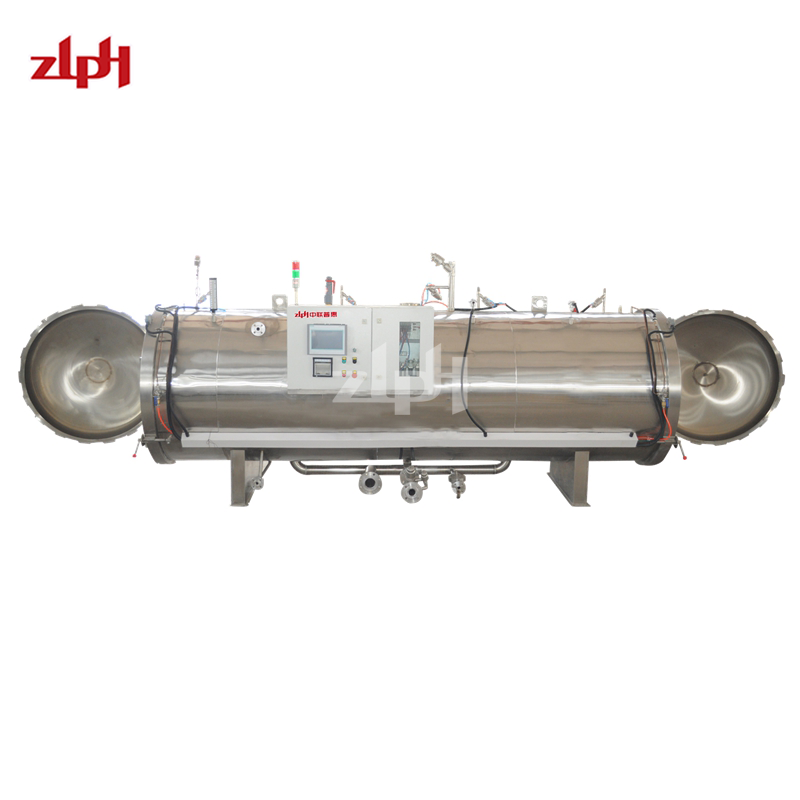
retort machine
